Lions India Education Promotion Council
C/o. Lions India Office
Vishwa Yuvak Kendra, Pandit Uma Shankar Dikshit Marg
Teen Murti Marg, Opp. Chanakyapuri Police Station
New Delhi – 110 021
Built around Readability, Reliability, and Reach, Lion (India) Magazine’s Associate Editors Training Program turned two days of learning into an exercise in editorial judgment, problem-solving, and participation.
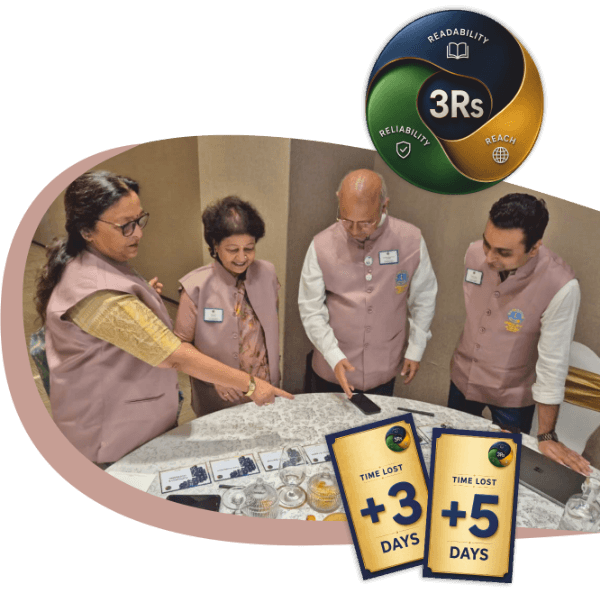
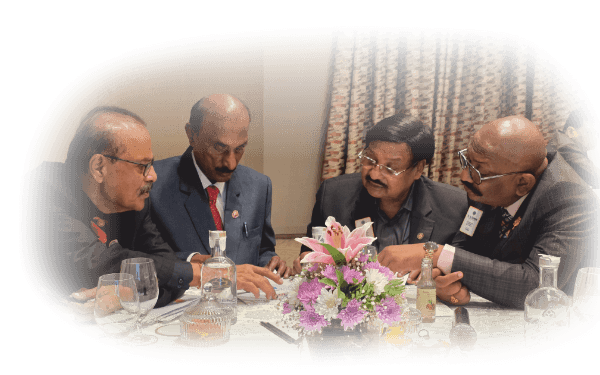
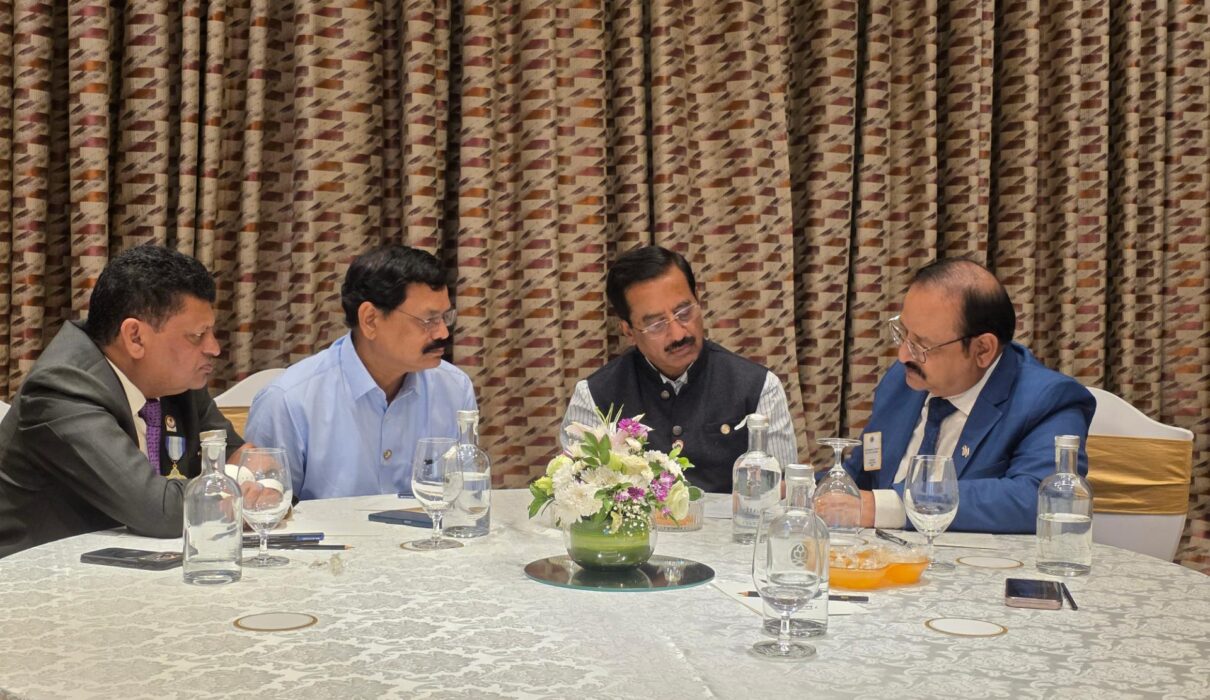
Cards were spread across the tables, each representing a stage in the production of the Lion (India) magazine. Associate Editors moved them into sequence, discussed the workflow, and agreed on the order.
Then the problems began.
Late submissions. Missing information. Poor-quality photographs. Factual corrections received after a designed page had been approved. Each disruption meant rework — and more time lost. When the three groups finally added up their Time Lost cards, the result was identical: 10 days.
The deadline, however, had not moved.
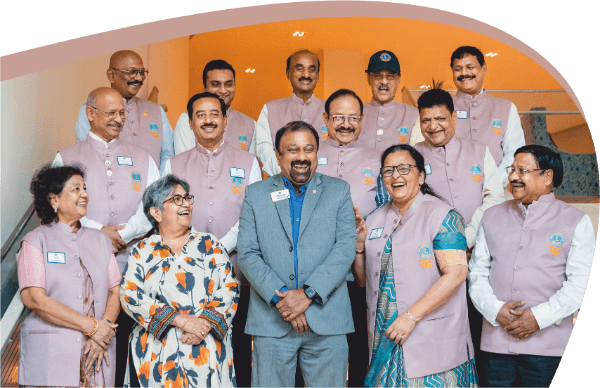
This was one of several exercises that kept Associate Editors on their feet, around tables, and in conversation during the Associate Editors Training Program 2026, held at Taj Bangalore on August 29 and 30. The event brought together Associate Editors representing all the Multiple Districts, with sessions structured around the 3Rs: Readability, Reliability, and Reach.
From Reading to Editing
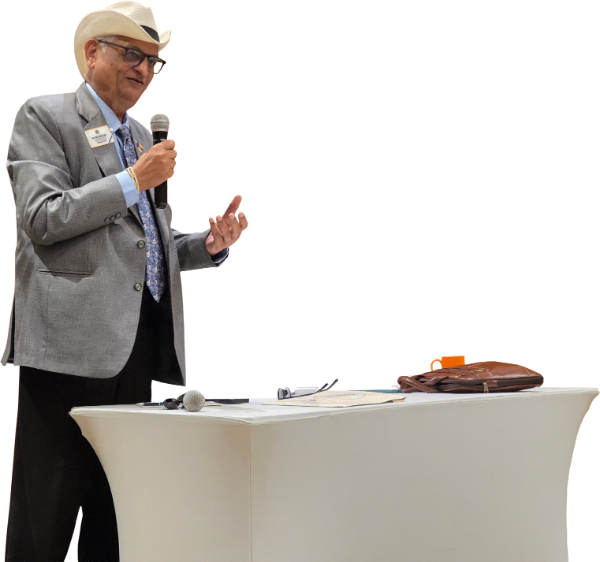
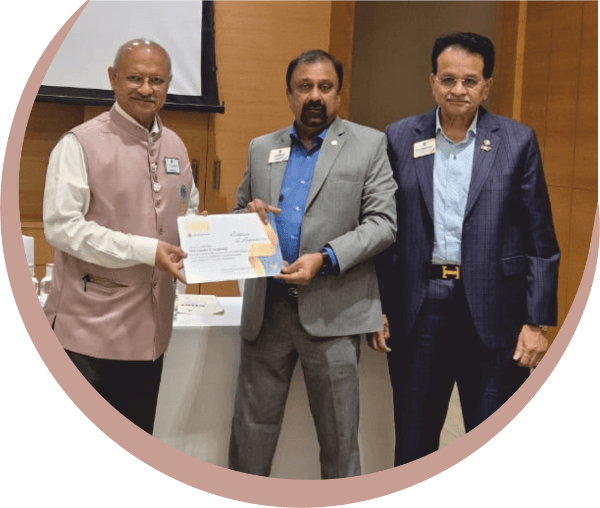
Chairman and Editor PID R. Mathanagopal welcomed the participants and set the context. In his opening remarks, Lions India Education Promotion Council (LIEPC) Managing Director PID V. K. Ladia described Associate Editors as the “face” of Lions — telling the association’s stories to the world.
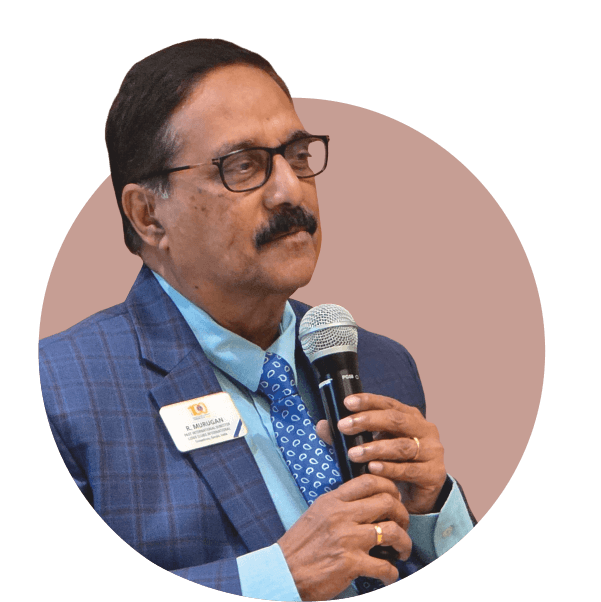
Former Editor PID Murugan then examined the role of an Associate Editor before joining PDG Suvidh Sanghvi (MD 3231) and PDG Mona Sheth (MD 3232) for From Both Sides of the Desk, a conversation that brought together editorial expectations and the practical challenges Associate Editors encounter.
The emphasis soon shifted from listening to doing. Participants introduced their Multiple or District through a headline, then turned to the magazine as readers in Would You Stop? Would You Read? Would You Share?, examining actual magazine pages and deciding what caught their attention — and what did not.
In From Activity to Story, they became editors. Faced first with a submission that said too little and then with a six-page report that said far too much, groups had to find the story, decide what stayed and what went, identify missing information, select photographs, and write a headline.
The questions at the heart of the exercise were ones they could take back to every submission:
Why does it matter?
What does the reader need?
What does the Editor need?
Pictures, Decisions and Reach
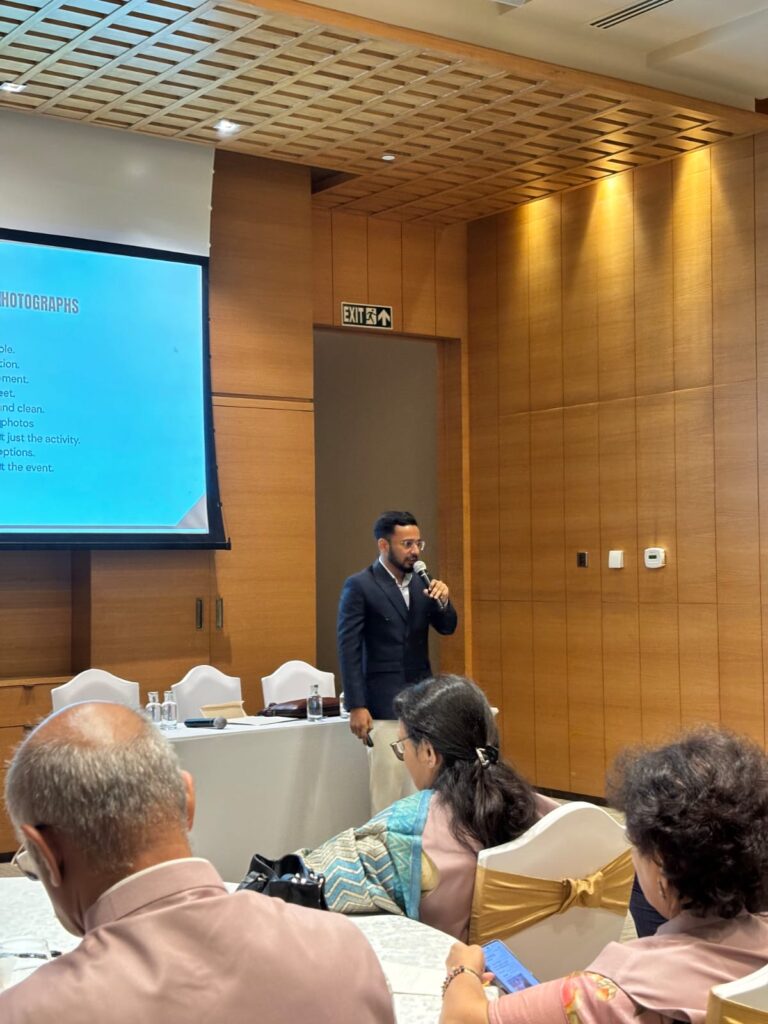
Day Two widened the lens. Photographer Dharshan Jadhav of Phodeo demonstrated how photographs can move beyond recording an event to telling its story. From Reader to Amplifier, led by PID Vamsidhar Babu, turned attention to the opportunities for extending a story’s life beyond the printed page.
The final Editorial Workshop brought all three Rs together. Faced with different editorial dilemmas, groups had to make decisions at every stage — from pre-submission to post-publication.
And Reach was put into practice. Participants scanned a QR code, selected a published story, chose someone for whom it would be relevant, and shared it before leaving the room.
Two days earlier, they had begun by asking whether they would stop, read, or share a story. By the end, they had worked through what it takes to give readers a reason to do all three.