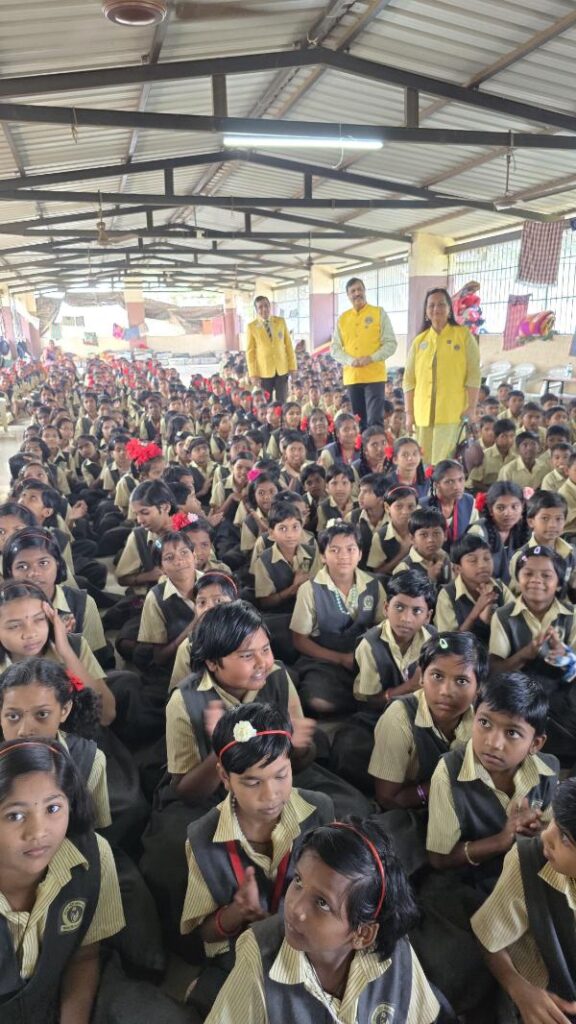

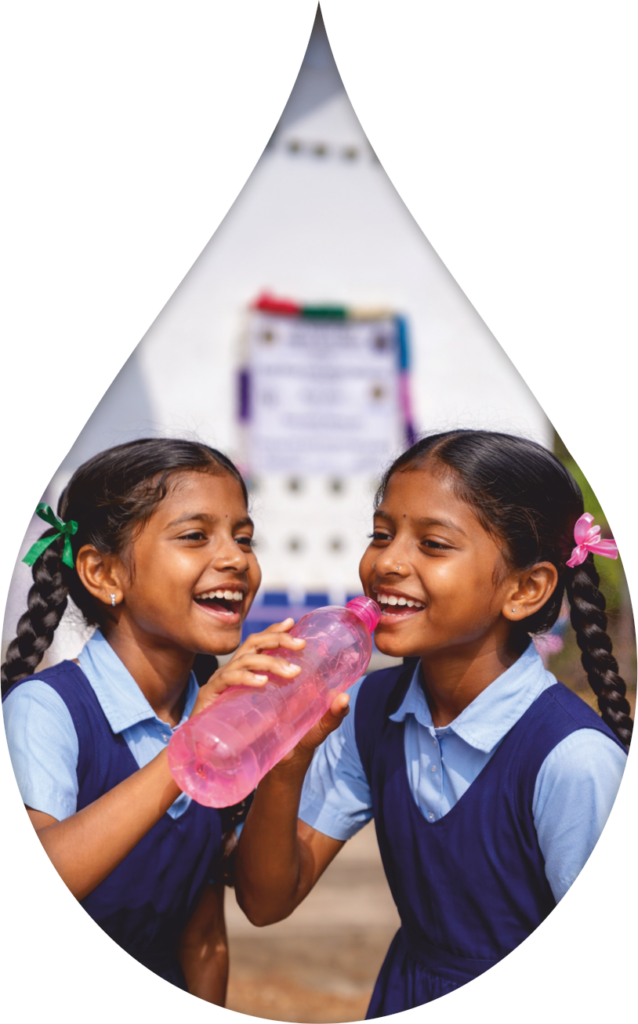
For Shubhangi and her friend, a shared sip of clean drinking water between classes is still a new pleasure. Until recently, they—like thousands of students across 125 Zilla Parishad schools in Palghar district, Maharashtra—had limited or no access to safe, potable water. In many rural and semi-urban parts of the state, this was more than an inconvenience; it affected health, attendance, and educational outcomes.
The challenge extends far beyond one district. According to a recent WHO-UNICEF report, one in four people globally—2.1 billion in total—still lack access to safely managed drinking water, including 106 million who depend on untreated surface water. Unsafe drinking water is estimated to contribute to nearly 500,000 diarrhoeal deaths worldwide each year.
When children lack access to safe water, sanitation, and hygiene, their health, education, and futures are put at risk.
Cecilia Scharp
Director, Global Water, Sanitation and Hygiene Practice, UNICEF
What these global figures underline is the importance of interventions that are practical, local, and sustained. Supported by an LCIF Grant of US$85,000, District 3231-A3 has begun addressing this need through a phased clean drinking water initiative focused on government schools.
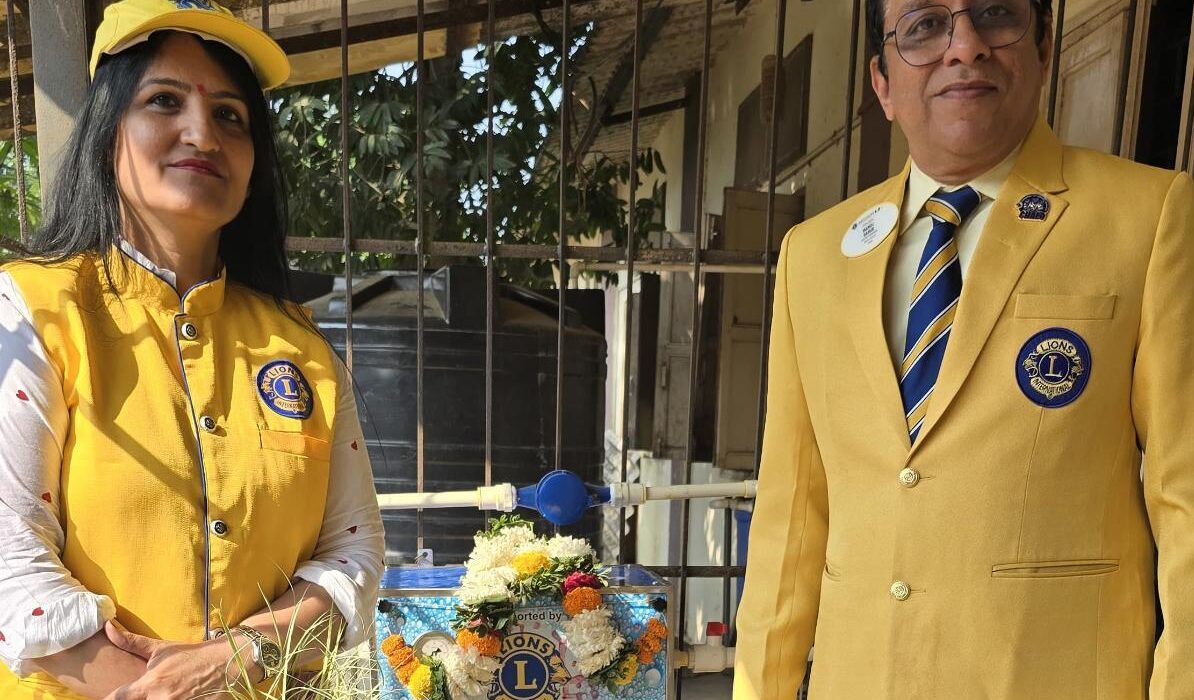
The execution of the project began on December 3, 2025. In its initial phase, seven Tata Swach water purifiers have been installed across select schools. Designed to operate without electricity and capable of delivering up to 200 litres of clean drinking water per hour, the units are particularly suited for schools with limited infrastructure.
The initiative has received an encouraging response within the district, with nearly 80 of the 122 Lions Clubs in District 3231-A3 committing to active participation. As the project expands beyond this first phase, it is expected to provide reliable access to safe drinking water for approximately 70,000 students and teachers each day.
As the project moves into its next phases, it aims to ensure that safe drinking water remains a quiet constant in school life, reducing waterborne illness and supporting better learning environments.