Lions India Education Promotion Council
C/o. Lions India Office
Vishwa Yuvak Kendra, Pandit Uma Shankar Dikshit Marg
Teen Murti Marg, Opp. Chanakyapuri Police Station
New Delhi – 110 021
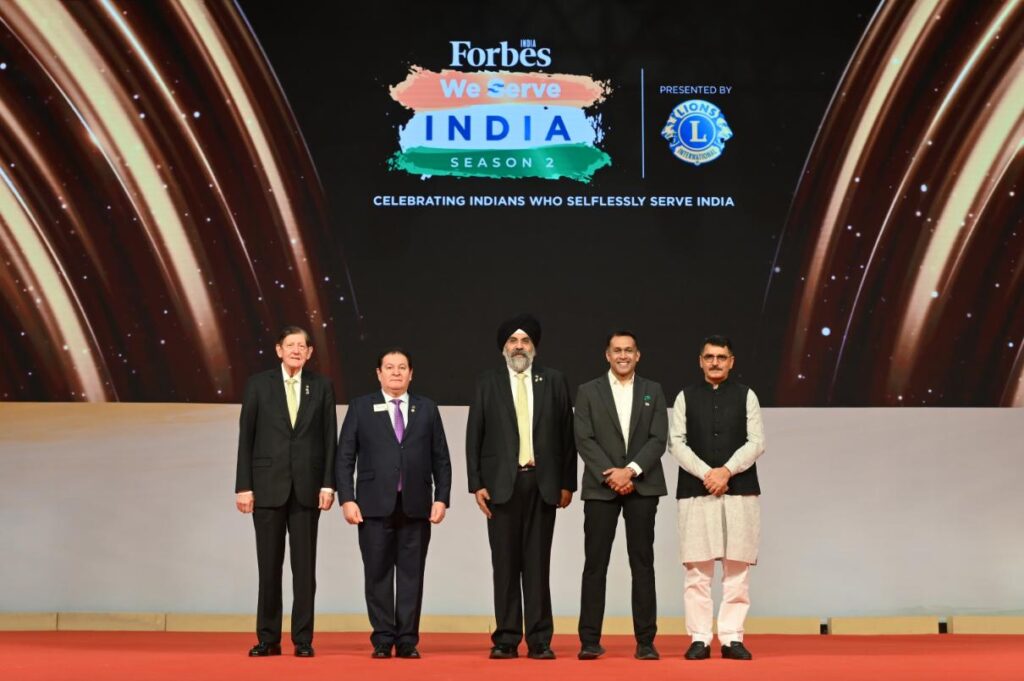
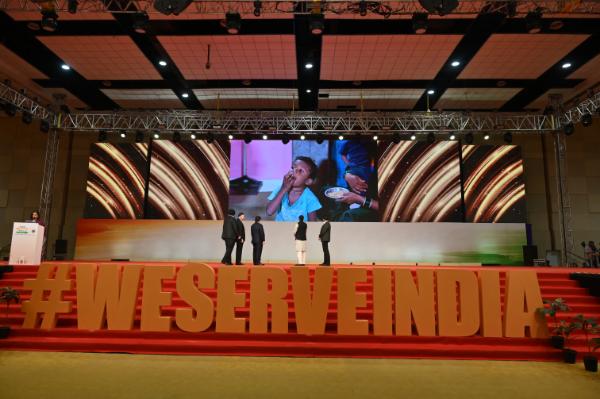
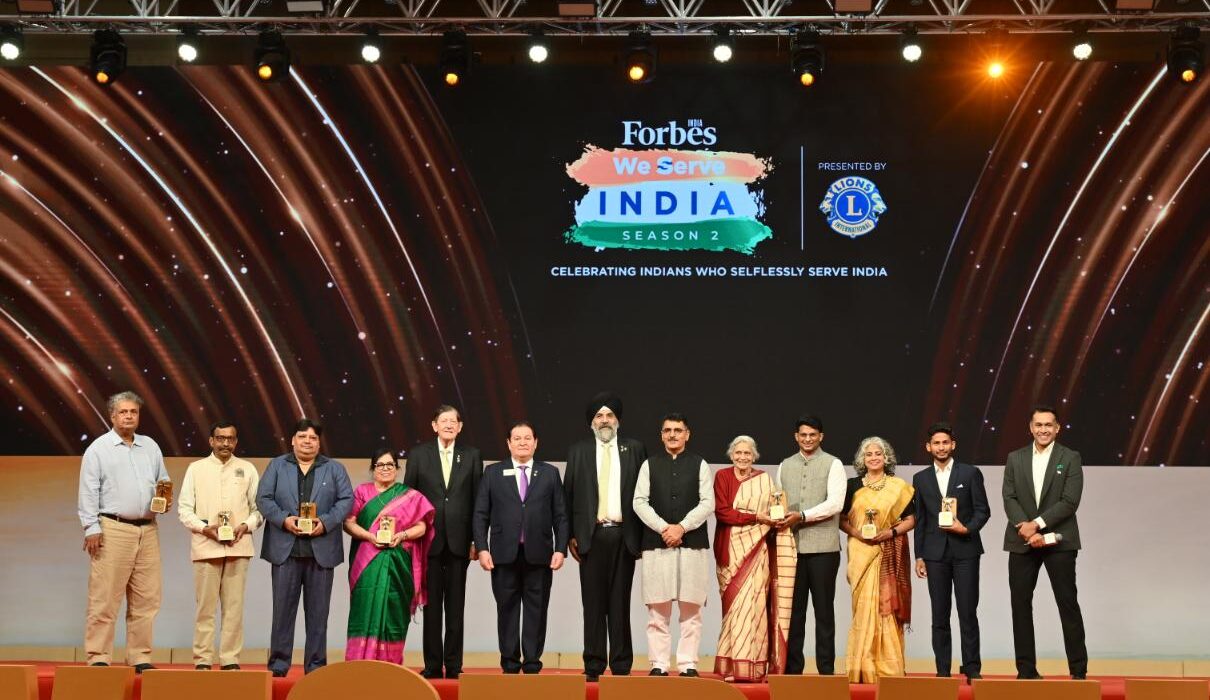
Held alongside the 53rd ISAME Forum in Gandhinagar, Gujarat, the National Finale of the We Serve India Awards Season 2, presented by Lions Clubs International, shone a light on India’s extraordinary grassroots changemakers — the heroes you don’t often see.
After spotlighting the regional winners in our previous issue, this edition turns to the National Finale, which marked the culmination of a journey that began months earlier with nationwide nominations and a rigorous evaluation process, along with regional recognition events in Lucknow and Visakhapatnam.
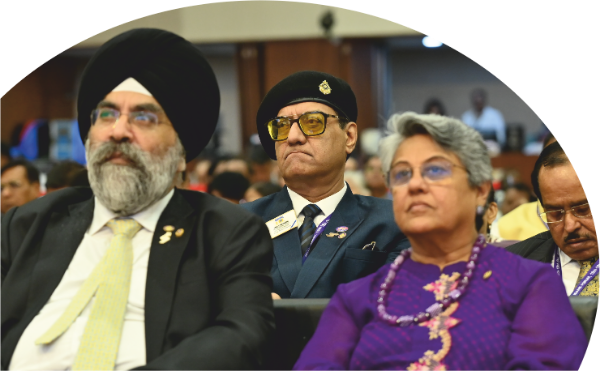
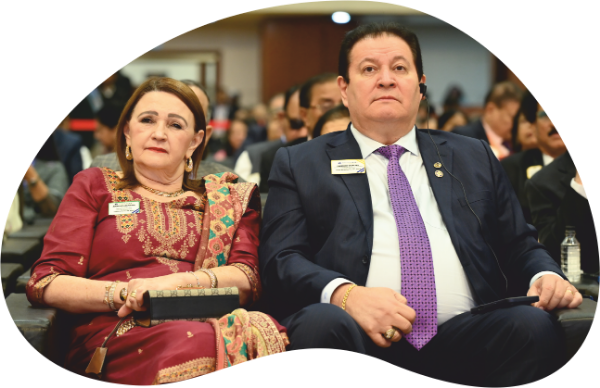
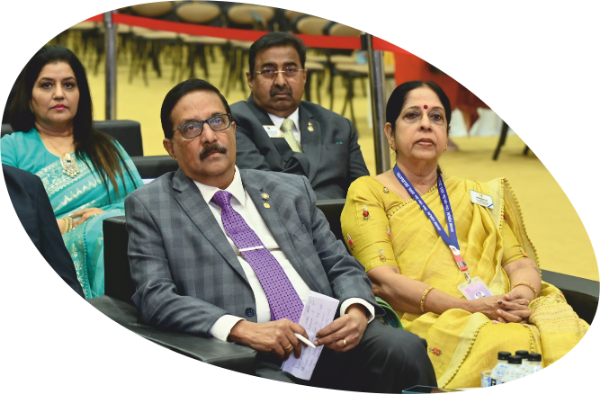
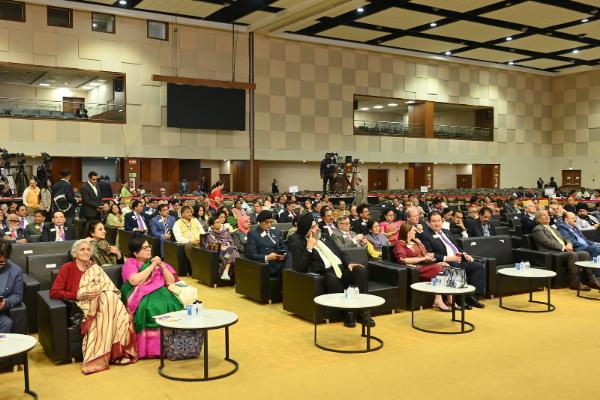
The setting added a wider frame to that journey. With Lions leaders from the ISAME region and beyond in attendance, the National Finale placed work shaped in villages, classrooms, clinics, and forests before an audience that extended well beyond national boundaries. The convergence was significant, not because it altered the nature of the work being recognised, but because it affirmed that grassroots initiatives can speak to audiences far beyond their point of origin.
A wider audience, the same focus
The evolution of We Serve India Awards over two seasons reflects a growing confidence among practitioners whose work often unfolds away from public view. Participation itself charts that growth, from 150 entries in the first season to over 260 in the second, signalling a wider movement of citizens committed to grassroots change.
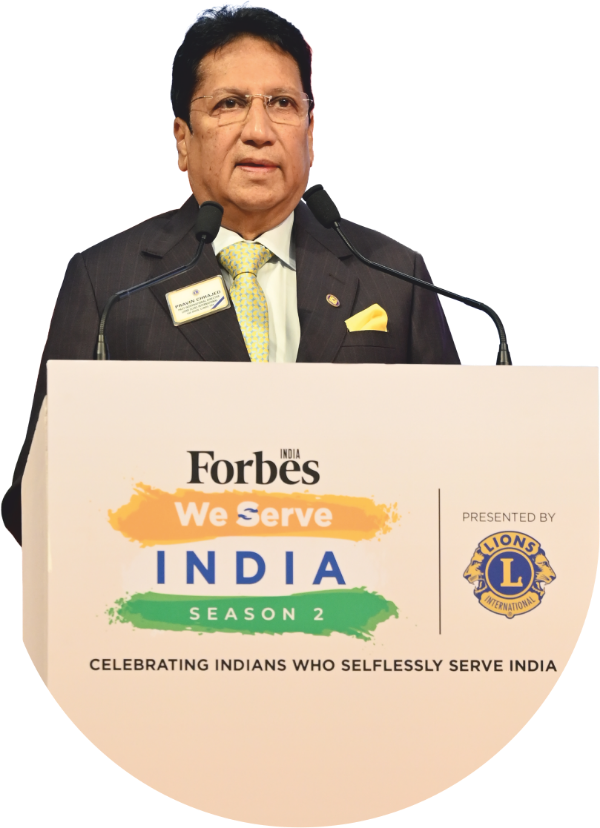
“The Finale of Season 1 was witnessed by the Lions of India, and today in the Finale of Season 2, we have the Lions of the world,” observed PID Pravin Chhajed in his opening address, as he welcomed Lions International President A. P. Singh, LCIF Chairperson Fabrício Oliveira, International First Vice President Mark Lyon, Past International Presidents Frank Moore, Naresh Aggarwal and Mahendra Amarasuriya, along with International Directors, Past International Directors and leaders participating in the 53rd ISAME Forum.
The presence of global leadership did not shift the focus of the event. Instead, it reinforced the idea that solutions developed at the grassroots can offer lessons across regions, cultures, and systems.
Speaking about the collaboration between Lions and the media, which was the brainchild of International President A. P. Singh and Board Appointee PID Sangeeta Jatia, PID Pravin Chhajed noted: “This is a very small beginning and will go a long way in partnering with media in carrying forward the mission of We Serve because Viksit Bharat can only be achieved if we have a partnership with social organizations and the media.”
A state perspective on service
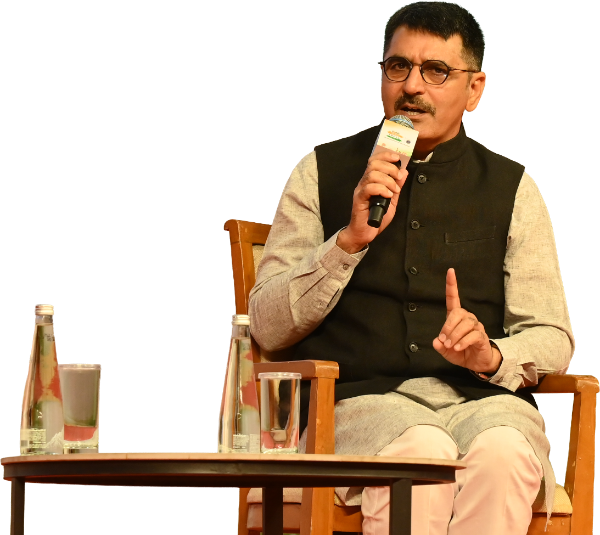
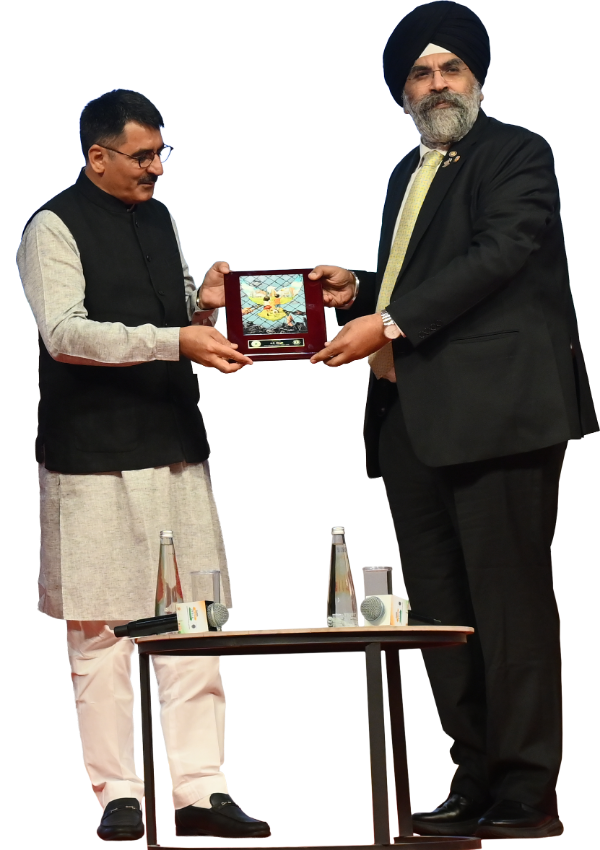
In a conversation with Anand Narasimhan of CNN-News18, Chief Guest Shankar Chaudhary, Speaker of the Gujarat Legislative Assembly, reflected on the importance of community-led solutions in areas such as agriculture, water management, soil health, and livelihoods. He also spoke about Banas Dairy, of which he is the Chairperson, highlighting the cooperative’s role in increasing farmers’ incomes and strengthening the rural economy.
Emphasising practical, locally relevant approaches, he noted that sustained service efforts—when supported by strong systems and partnerships—can contribute meaningfully to long-term development.
His remarks situated the work being recognised within a broader governance and development context, reinforcing the value of solutions that take shape at the community level.
Placing local action in a broader context
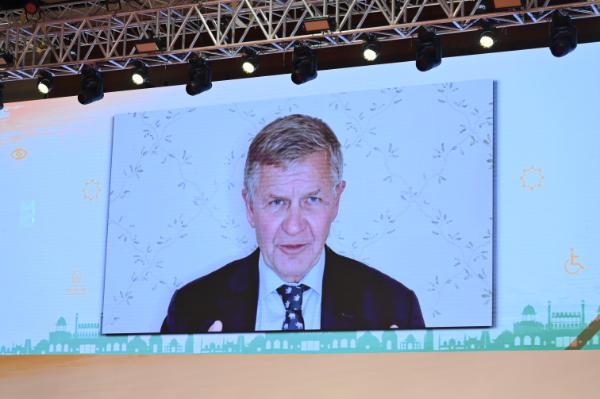
A recorded message from Eric Solheim, former Executive Director of United Nations Environment Programme, brought a wider perspective to the conversations underway. Drawing from his travels across India, Solheim spoke about the impressive work being done in renewable energy, water stewardship, forest conservation, and wildlife protection.
His message was notably practical. No single individual, he noted—not even those in positions of great authority—can bring about change alone. Meaningful shifts emerge instead from the accumulation of everyday choices made by institutions, communities, and individuals over time, whether through conserving resources, investing in cleaner energy, or protecting ecosystems already under strain.
Addressing younger audiences in particular, Solheim urged action at a personal and local level: to use available platforms responsibly, to adopt small but consistent practices, and, to echo Mahatma Gandhiji’s words, “Be the change you want to see.”
Beyond the Awards
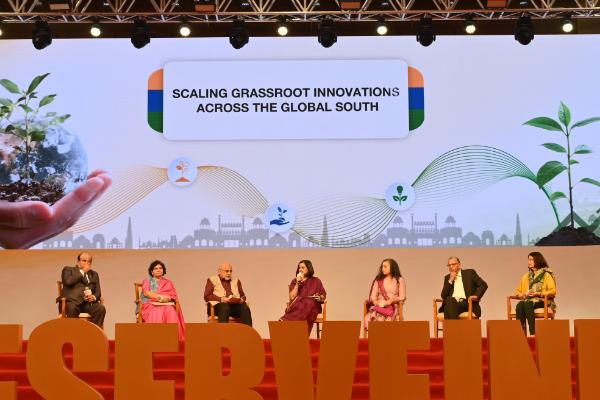
A thought-provoking panel discussion on ‘Scaling Grassroots Innovations Across the Global South’ brought together perspectives from finance, academia, government, development banking, civil society, and Lions leadership.
Moderated by veteran journalist Mugdha Kalra, the panel featured Mukesh Patel, Chairperson, International Tax and Investment Consultants; Dr. Neerja Gupta, Vice Chancellor, Gujarat University; Shobha Kapoor, Head – Partnerships and Corporate Communications, Ministry of Education, Government of India; Harish Kumar Upadhyay, Former Deputy Managing Director, NABARD; Meera Shenoy, Founder, Youth4Jobs; and PMCC Dr. Deepak Chaudhari, Water Conservation Expert.
Several themes recurred across the discussion. Scaling, speakers agreed, brings its own challenges—from cash-flow timing and regulatory complexity to the need for stronger systems as initiatives grow. Validation emerged as a critical enabler, whether through academic research, industry partnerships, or public institutions, helping innovations earn trust without losing their original intent. Panelists also noted that scale works best when communities remain central to decision-making, supported by ecosystems that combine finance, policy, and sustained local engagement.
Recognising Work That Endures
As the awards segment began, the focus shifted from discussion to demonstration. One winner and one runner-up were recognised in each category. Across healthcare, education, environmental sustainability, technology-led social innovation, and women-led social innovation, the initiatives reflected different approaches—but similar discipline. Some addressed access to healthcare in difficult terrain. Others focused on inclusive education, water security, agricultural tools, digital safety, or community learning spaces.
What distinguished them was consistency. Many had been in operation for decades. Most emphasised training, trust-building, and local ownership. Growth, where it occurred, followed proof rather than promise.
Inclusive Healthcare & Accessibility
Winner:
Dr. Ashish R. Satav
Runner-up:
M. A. Wohab
Innovation in Education Learning & Skill Development
Winner:
Gene Derrick D’Silva
Runner-up:
Dr. Uma Tuli
Innovation in Environmental Sustainability
Winner:
Sarita Subramaniam
Runner-up:
Rathin Bhadhra
Tech-led Social Innovation
Winner:
Ashok Gorre
Runner-up:
Akshay Ridlan
Women-led Social Innovation
Winner:
Dr. Geeta Malhotra
Runner-up:
Mangal Arun Shah
Looking Ahead
The National Finale marked not an endpoint, but a continuation of the We Serve India journey. With over 260 stories, 40 regional winners and runners-up, and 10 national winners, the initiative has become a growing record of how service-led leadership is practiced across the country.
For Lions Clubs International and its partners, the platform aligns with a long-held belief: that service is strongest when it is local, inclusive, and sustained. By placing such work before a national—and now international—audience, the initiative makes their approaches visible and useful to others working in similar contexts.
Change that lasts is rarely loud. It is built through steady work, carried forward by people who stay close to the communities they serve—and whose impact is often felt long before it is recognised.